| Abrasive Strength | |
|---|---|
| Construction | Polybutene resin |
| Net Weight | 150 g |
| Removes Inorganic Contaminants | Yes |
| Removes Organic Contaminants | Yes |
| Strips Coatings | No |
| Strips Sealants And Waxes | Yes (partially) |
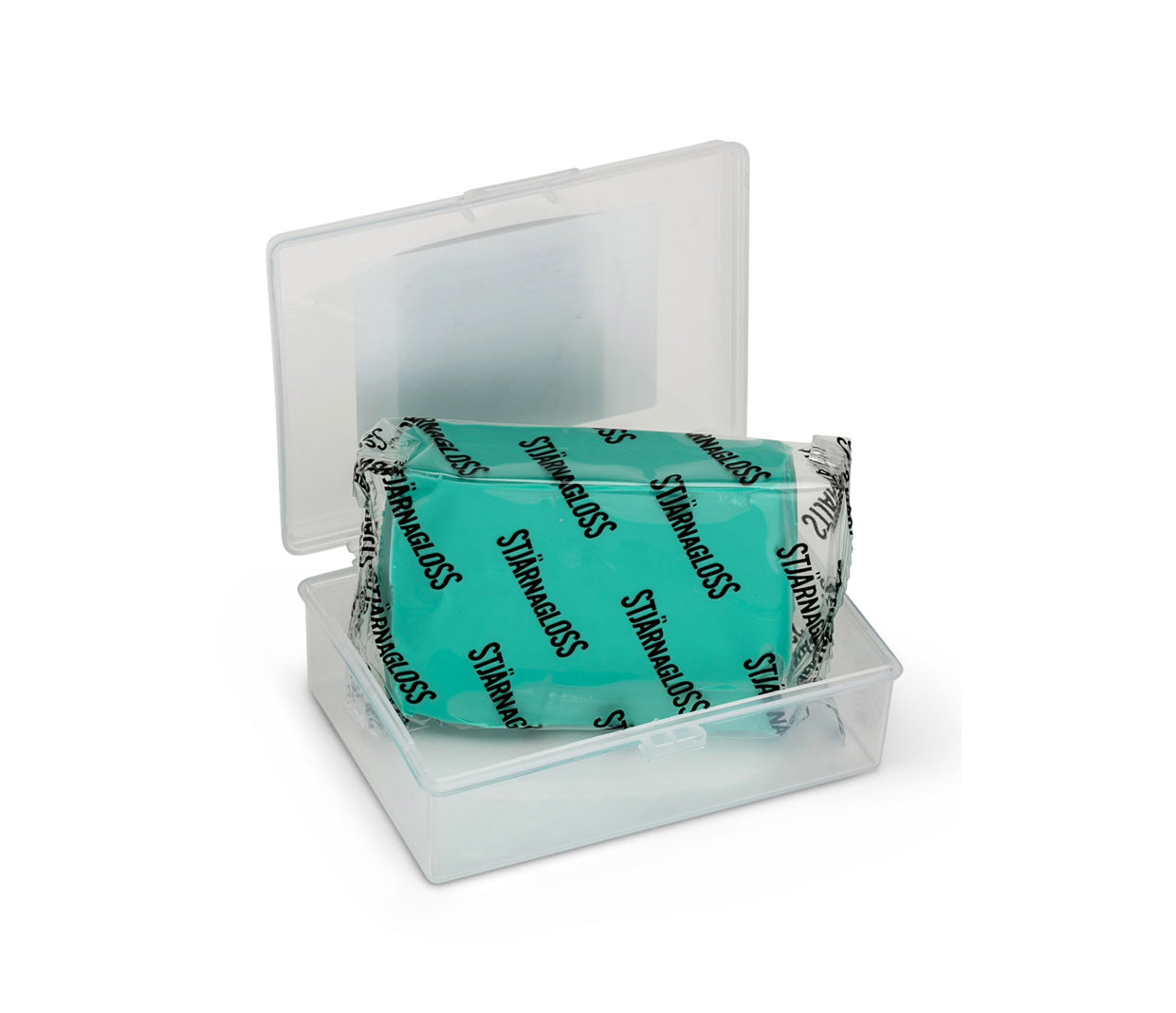
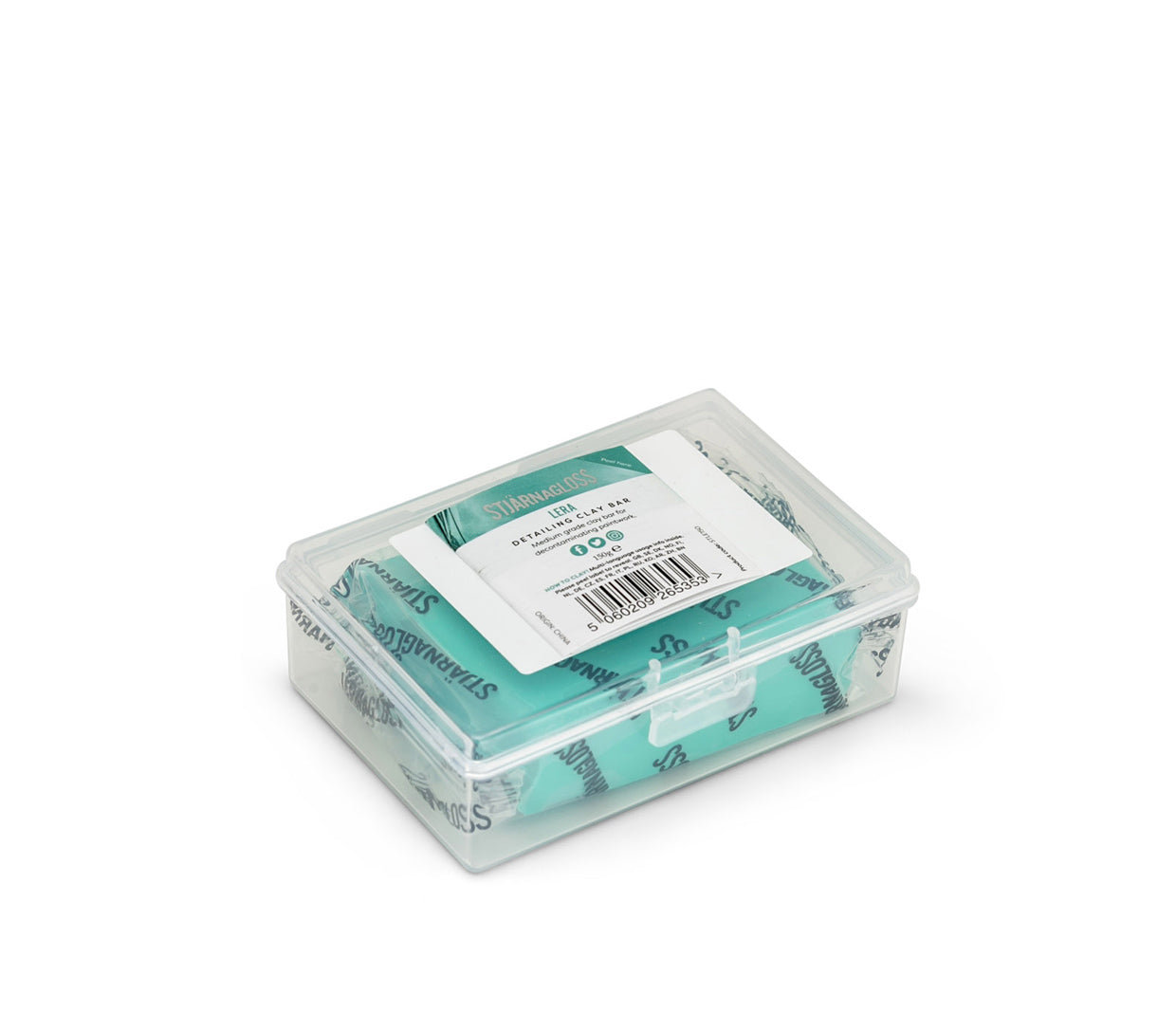
To use, simply leave the car wet after rinsing (wash stage) and then apply a little Glir clay lubricant to the cool, wet panel. Tear or cut a small chunk of clay off the main bar and make it into a small pancake that’s about three fingers wide.
Gently rub this over the paint, feeling the resistance change from rough to smooth as it clears a section of the panel. Check the face of the clay to see how contaminated it’s getting, and fold it over to present a clean face once again if it looks too dirty.
Carry on with this folded piece until it needs folding again, or until the dirt starts coming through the folds of the bar. Throw the dirty piece of clay away afterwards. You can clay your wheels and glass as well as paintwork – but avoid textured exterior trim and matt paint may be inadvertently polished smooth; you should be careful if claying any sensitive finish.